Jaggery vs Sugar: Which is Better for Your Health?

Sweeteners are a staple in kitchens worldwide, and in India, both jaggery and refined sugar have been used for centuries to add sweetness to our foods and beverages. But when it comes to health, many wonder: Which is better—jaggery or sugar? Let’s explore the differences, benefits, and considerations of both to help you make an informed choice.

What is Jaggery?

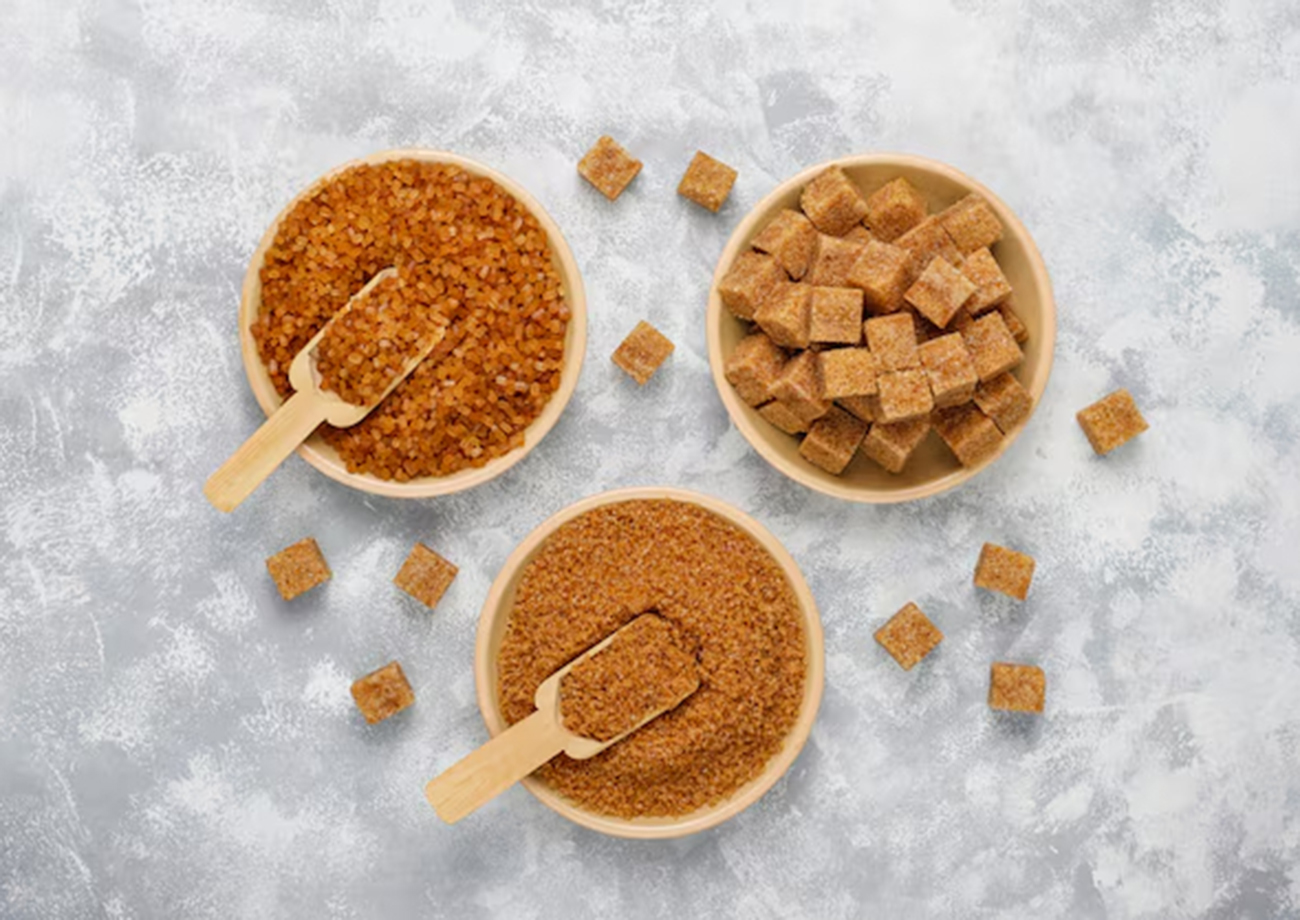
Jaggery is a traditional unrefined sweetener made by boiling raw sugarcane juice or palm sap until it solidifies. It retains many natural minerals and nutrients because it undergoes minimal processing. Jaggery is commonly available in solid blocks or granules and is prized for its rich, caramel-like flavor.

What is Refined Sugar?

Refined sugar, also known as table sugar or white sugar, is processed extensively to remove molasses and impurities. It is primarily composed of sucrose and is widely used for its clean, sweet taste and ease of use.

Health Benefits of Jaggery

  • Rich in Minerals: Jaggery contains small amounts of essential minerals like iron, calcium, magnesium, and potassium, which support overall health.
  • Aids Digestion: Traditionally, jaggery is believed to stimulate digestive enzymes and improve digestion.
  • Detoxifying Agent: Some studies suggest jaggery may help cleanse the liver by flushing out toxins.
  • Natural Energy Booster: Because it is absorbed slowly, jaggery provides a steady supply of energy rather than a quick spike.

Health Concerns with Refined Sugar

  • Empty Calories: Refined sugar provides energy but lacks any vitamins or minerals.
  • Blood Sugar Spikes: It has a high glycemic index, leading to rapid increases in blood glucose levels.
  • Associated Health Risks: Excess consumption of refined sugar is linked to obesity, diabetes, heart disease, and dental problems.

Moderation is Key

While jaggery has clear advantages over refined sugar, it is still a form of sugar and contains calories. Excessive consumption of either can lead to health issues. The key is moderation and mindful use.

Which One Should You Choose?

If you are looking for a more natural, nutrient-rich alternative to refined sugar, jaggery is a better option. It adds flavor and health benefits when used wisely. However, individuals with diabetes should consult healthcare providers before making any changes to their sweetener habits.

At Shantai Sales, we offer pure, high-quality jaggery sourced directly from trusted suppliers, ensuring you get the best natural sweetness for your kitchen.
How to Store Grains and Pulses at Home – Tips to Keep Them Fresh

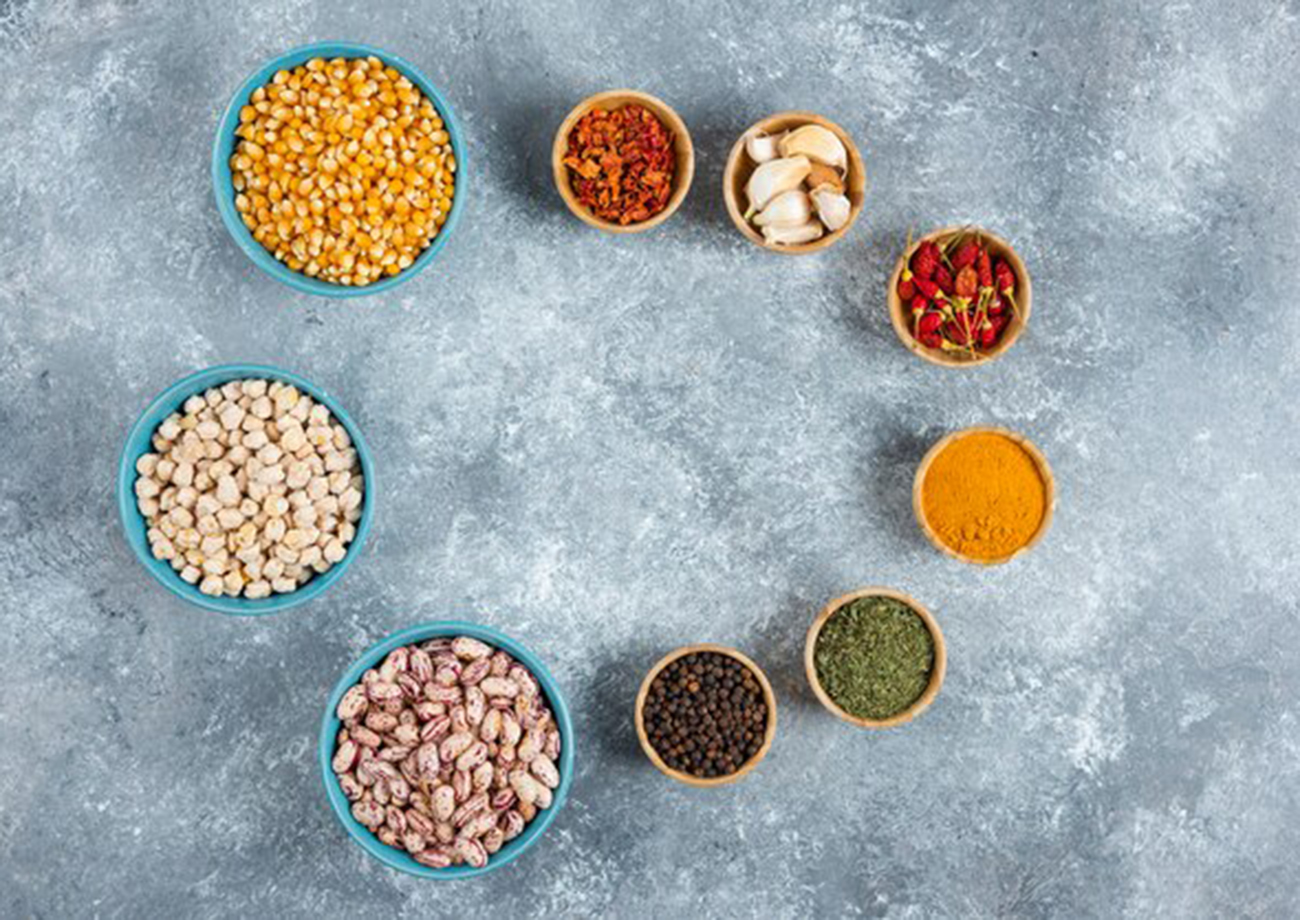
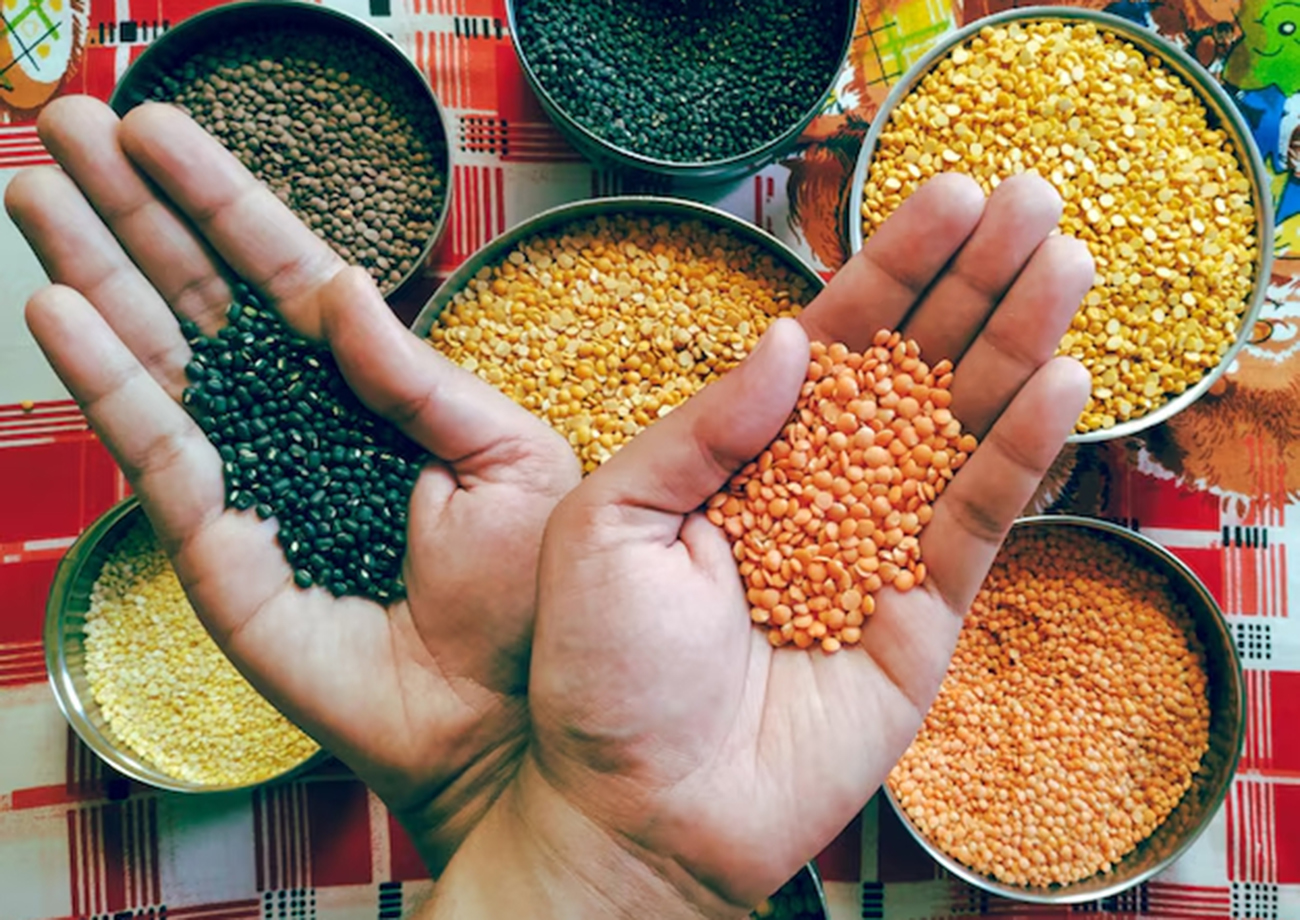
Grains and pulses are staples in many households, providing essential nutrients and forming the foundation of countless meals. However, improper storage can lead to spoilage, loss of flavor, and even pest infestations. To make the most of your grains and pulses and ensure they stay fresh longer, it’s important to follow some simple but effective storage practices.

1. Choose the Right Containers

Use airtight containers made of glass, metal, or high-quality plastic to store grains and pulses. Airtight containers prevent moisture, air, and insects from entering, which helps maintain freshness and prevents contamination. Avoid using thin plastic bags or loose storage as they do not provide adequate protection.

2. Store in a Cool, Dry Place

Heat and humidity accelerate spoilage and promote mold growth. Keep your grains and pulses in a cool, dry, and dark place such as a pantry or cupboard away from direct sunlight and heat sources like stoves or ovens.

3. Use Natural Pest Deterrents

To protect your grains from pests such as weevils, you can add natural deterrents like dried neem leaves, bay leaves, or cloves inside the storage containers. These act as natural repellents without affecting the taste or quality of your food.

4. Purchase in Small Quantities

Buying grains and pulses in quantities that you can consume within a reasonable time frame reduces the risk of spoilage. If you purchase in bulk, consider dividing the stock into smaller portions and storing them separately.

5. Keep Pulses and Grains Separate

Some grains and pulses have different storage requirements. For example, pulses often absorb moisture faster than grains. Storing them separately in labeled containers will help you manage inventory better and avoid cross-contamination.

6. Check for Freshness Regularly

Make it a habit to inspect your stored grains and pulses every few weeks for any signs of spoilage or pests. If you notice an off smell, discoloration, or bugs, discard the affected batch immediately to prevent it from spreading.

By following these simple tips, you can keep your grains and pulses fresh, flavorful, and safe for longer periods. At Shantai Sales, we ensure our products reach you in the best condition so that you can enjoy wholesome nutrition every day.

Grains of India: A Guide to Wheat, Rice, Jowar, Bajra & Maize

India is known for its rich agricultural heritage and diverse food grains that form the backbone of everyday meals. From the staple wheat and rice to traditional millets like jowar and bajra, and the versatile maize, these grains are more than just ingredients—they are part of our culture, nutrition, and economy.

Wheat

Wheat is one of the most widely consumed grains in India, especially in northern and western regions. It is the primary ingredient in staples like chapati, roti, and paratha. Wheat is rich in carbohydrates and fiber and provides essential vitamins such as B-complex vitamins, iron, and magnesium. Its versatility and nutritional value make it a daily essential for millions.

Rice

Rice is the staple grain in many parts of India, particularly in the south and east. Known for its easy digestibility and energy content, rice comes in many varieties, including basmati, sona masoori, and jasmine. It is naturally gluten-free and serves as a base for countless dishes—from simple steamed rice to elaborate biryanis.

Jowar (Sorghum)

Jowar, also called sorghum, is a nutritious millet widely cultivated in dry regions. It is rich in dietary fiber, protein, and antioxidants, making it an excellent choice for digestive health and sustained energy release. Jowar flour is commonly used to make bhakri (a type of flatbread) and other traditional snacks.

Bajra (Pearl Millet)

Bajra is another important millet known for its resilience in arid climates and high nutritional value. Rich in iron, calcium, and fiber, bajra is celebrated for its heart-healthy properties. Bajra roti and khichdi are popular dishes that have been nourishing Indian households for generations.

Maize (Corn)

Maize or corn holds an important place in India’s grain basket. It is consumed as fresh corn, popcorn, or ground into flour for making snacks and breads. Maize is rich in carbohydrates, fiber, and essential vitamins like B-complex and antioxidants like carotenoids.

At Shantai Sales, we take pride in sourcing and supplying these essential grains with the highest standards of quality and freshness. Whether you are a retailer, wholesaler, or a household looking for reliable grain supplies, we are here to serve you.

Visit us at:
Market Yard, Gultekadi, Pune, Maharashtra 411037, India

Contact:
+91 89899 51010

The Health Benefits of Indian Pulses: Why You Should Eat Them Daily

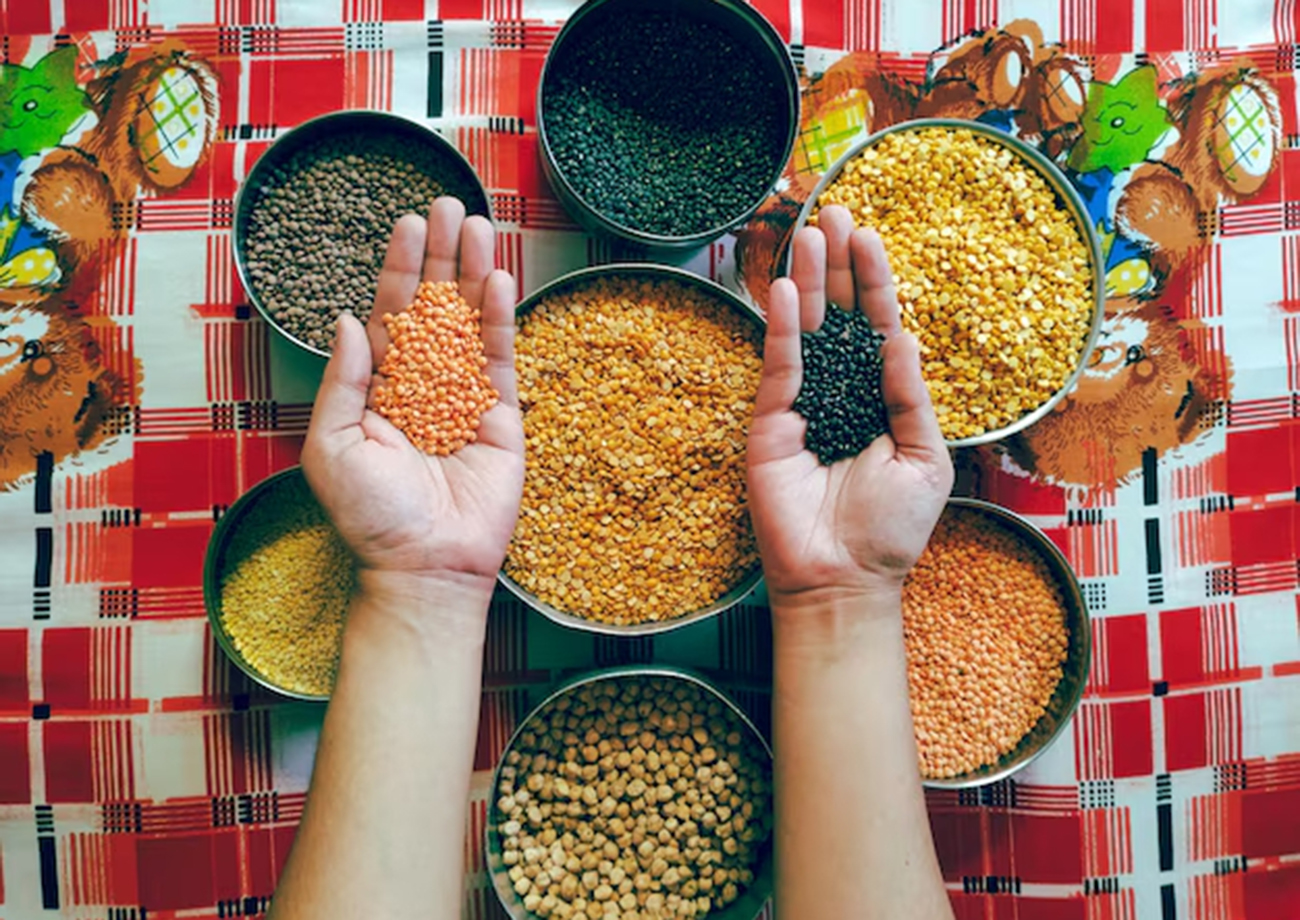
Pulses have been an essential part of the Indian diet for centuries. From dals like moong and toor to legumes like chana and masoor, these humble ingredients are packed with nutrition and versatility. Whether you’re vegetarian, vegan, or simply health-conscious, pulses offer an excellent source of plant-based protein, fiber, and essential nutrients.

1. Rich Source of Plant-Based Protein

For those who do not consume meat or animal-based products, pulses are a natural and effective way to meet daily protein needs. Moong dal, urad dal, and chana dal are particularly rich in protein, making them ideal for muscle repair, energy, and overall growth.

2. High in Dietary Fiber

Pulses are loaded with dietary fiber, which helps support healthy digestion and prevents constipation. Fiber also promotes a feeling of fullness, which can help in maintaining a healthy weight and preventing overeating.

3. Packed with Essential Vitamins and Minerals

Indian pulses are rich in iron, potassium, magnesium, and folate. These nutrients are important for maintaining energy levels, improving heart health, and supporting brain function. For example, masoor dal and toor dal are excellent sources of folate, which is especially important for pregnant women.

4. Low in Fat and Cholesterol-Free

Unlike many other protein sources, pulses are naturally low in fat and contain no cholesterol. This makes them heart-friendly and suitable for those managing cholesterol levels or aiming to maintain a balanced diet.

5. Helps Manage Blood Sugar Levels

Pulses have a low glycemic index, which means they release sugar into the bloodstream slowly. This helps regulate blood sugar levels, making them a smart choice for individuals with diabetes or those looking to prevent blood sugar spikes.

6. Supports a Sustainable and Affordable Diet

Pulses are not only good for health but also for the planet. They require less water to grow and contribute to soil fertility, making them a sustainable food choice. Additionally, they are affordable and accessible to a wide range of people, offering great nutritional value without a high price tag.

Conclusion

Incorporating a variety of pulses into your daily meals can significantly improve your overall health. At Shantai Sales, we provide high-quality pulses like moong dal, chana dal, urad dal, masoor dal, toor dal, and dried peas — sourced carefully to ensure purity and freshness.

Whether it’s a comforting bowl of dal, a protein-rich salad, or a traditional khichdi, pulses make every meal healthier and more fulfilling. Make them a regular part of your diet and experience the long-term benefits.

Back to Top
Product has been added to your cart
Compare (0)